
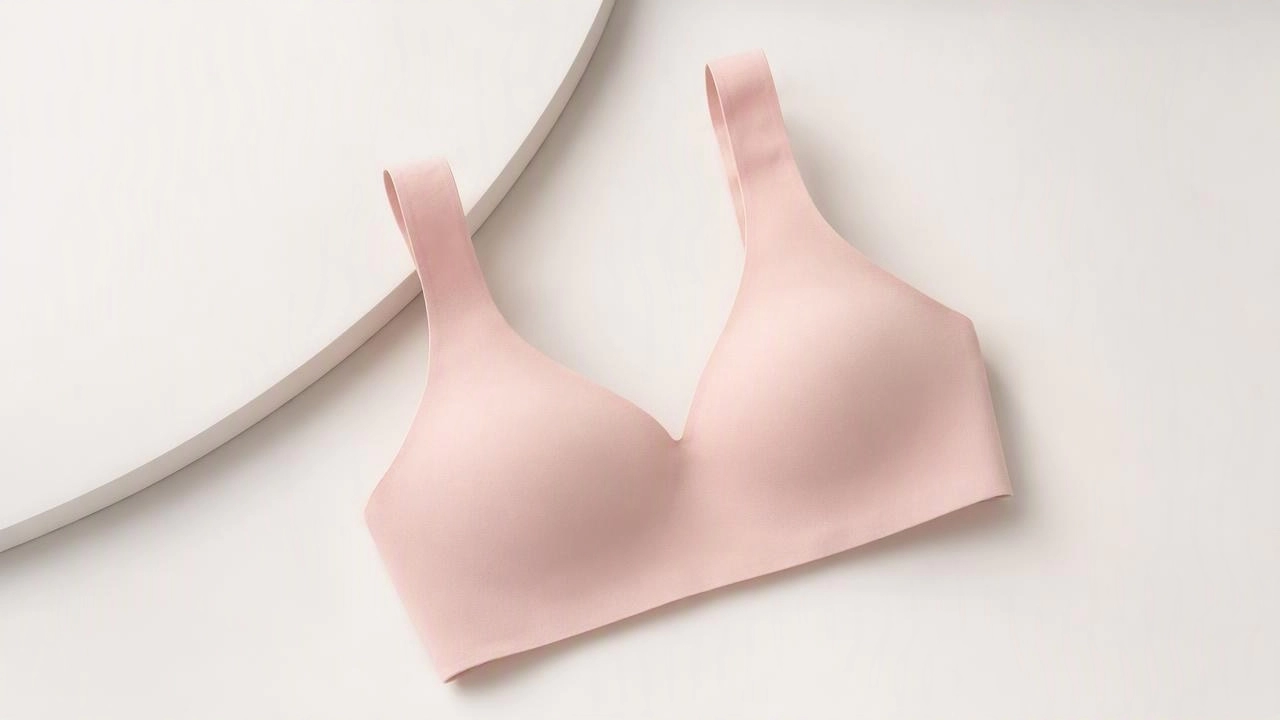
Private Label Bra Manufacturing: What New Brands Should Understand
Launching a lingerie brand with private label manufacturing is a straightforward idea with a large number of practical details. New brands often underestimate the amount of information the factory needs, and overestimate how quickly a first order can be produced. The result is a delayed launch, an unexpected cost, or a first sample that does not match the vision.
This guide walks through private label bra manufacturing from the perspective of a brand starting out. It explains what private label means in practice, how to prepare a brief, what to expect at each stage, and how to avoid the mistakes that most commonly cost new brands time and money.
What Private Label Actually Means
Private label describes a relationship in which the manufacturer produces a product to the brand's specification, and the brand sells it under its own name. The product may be an existing factory style adapted with the brand's labels and colors, or a fully new design developed from the brand's concept.
Private label versus OEM versus ODM
- Private label: the brand takes an established construction and customizes labels, colors, packaging and sometimes minor design details.
- OEM: original equipment manufacturing, where the brand provides the design and the factory produces to that specification.
- ODM: original design manufacturing, where the factory also contributes design and development work.
In practice, most programs blend these models. A new brand may start with an ODM-developed style, then move toward OEM as its own design capability grows. What matters is clarity: both sides should know who is responsible for the design, the fit standard and the specification.
Preparing a Brief the Factory Can Use
The quality of the brief determines the quality of the first sample. A useful brief covers the following.
- Product category: the bra type and the function it must serve.
- Target customer: age range, market, and the occasion the product is for.
- Size range: band and cup range, including any plus sizes.
- Price position: the retail price point, which guides material and construction choices.
- Design references: images, sketches, or a physical sample.
- Materials: preferred fabric, lace or foam, or an openness to recommendations.
- Colors: the palette and whether print or lace color matching is involved.
- Branding: labels, tags and packaging.
- Quantity: the forecast quantity per color and size.
- Destination and compliance: the market and any required testing.
A brief does not need to be a formal tech pack to be useful. A clear written description with reference images and a size list is enough to start a productive conversation. What matters is that the information is specific enough for the factory to make real decisions.
The Development Timeline
Understanding the sequence helps a brand plan a realistic launch date.
1. Inquiry and feasibility review
The factory reviews the brief, asks clarifying questions and confirms whether the concept is feasible with the intended materials and price position.
2. Quotation
A quotation is issued based on the specification. It should state what is included: materials, construction, labels, packaging and trade terms. A quotation without a specification is not comparable to another quotation.
3. Material selection and approval
Fabric and trim options are presented. Colors are confirmed through lab dips and swatches. This stage often takes longer than brands expect, especially where lace or print is involved.
4. Sampling
The first sample is produced. The brand reviews fit, appearance and construction. Comments should be consolidated so the factory can make a single round of corrections.
5. Revision and approval
Adjustments are made and a second sample is reviewed. Once approved, the sample becomes the production standard.
6. Bulk production
Production begins after approval and after any required deposits. Lead time depends on material availability, quantity and the complexity of the style.
7. Inspection and shipment
Final inspection confirms the goods against the approved sample and specification. Shipping then proceeds according to the agreed trade terms.
Where New Brands Commonly Lose Time
- Changing the design after sampling. A late design change can invalidate a completed sample round.
- Delaying feedback. Slow comments on a sample delay production starting.
- Vague size ranges. The factory cannot grade properly without a clear size list.
- Last-minute branding decisions. Labels and packaging should be agreed before bulk starts.
- Comparing quotes without matching specifications. The cheapest quote is often the one that assumed less work.
- Ordering too many colors in a first run. Each color adds sampling, material and quality risk.
Choosing a Manufacturing Partner
For a new brand, the choice of partner matters more than the price of the first order. The following questions help distinguish a genuinely capable supplier.
- Can the supplier explain the construction and material choices for the specific brief?
- Does the supplier ask detailed questions about fit, size range and destination?
- Can the supplier describe the sampling and approval process clearly?
- Does the supplier define inspection points and tolerances?
- Can the supplier discuss how it would handle a quality issue if one arose?
- Does the supplier communicate in a way that allows efficient decisions?
A supplier that answers questions about construction, grading and inspection with specifics is usually a better long-term partner than one that only confirms a low price.
Budgeting for a First Order
New brands should budget for more than the unit cost. The full picture usually includes:
- Development and sampling costs: often charged separately from bulk.
- Material minimums: small orders may be constrained by fabric minimums rather than by the garment MOQ.
- Label and packaging tooling: printing plates, custom boxes and tags.
- Testing costs: where the target market requires compliance testing.
- Freight and duties: depending on trade terms and destination.
- Contingency: for revisions and minor changes.
Scaling After the First Order
Once a first order is delivered and the fit standard is established, scaling becomes much easier. The approved sample and specification form a reusable reference, so subsequent orders require less development. Brands typically expand in three directions: more colors, more sizes, and adjacent styles that share the same construction platform.
Expanding within an established platform is far more efficient than starting from scratch, which is why a well-documented first program pays for itself quickly. Keeping consistent records of approved samples, materials and measurements also reduces the risk of variation between orders.
Frequently Asked Questions
How many units do I need to start a private label bra brand?
It depends on the construction and the materials. Simple styles allow smaller starting quantities than complex ones, and fabric minimums sometimes set the real floor. Sharing the target style and quantity allows an accurate minimum to be confirmed.
Do I need a tech pack to start?
Not necessarily for the first conversation. A clear brief with references and a size range is enough to begin. A tech pack becomes important before bulk production, when measurements and inspection points must be documented.
Can I use my own design with a private label manufacturer?
Yes. Providing a design is standard in OEM arrangements. The factory will confirm feasibility, recommend materials and flag any design details that would create production or fit problems.
How long does a first private label order take?
It depends on the number of sample rounds, material lead times and quantity. Programs with stock materials and a straightforward construction move faster than those requiring custom lace or print.
What if the first sample is not what I wanted?
This is normal, and it is why sampling exists. Consolidated, specific comments let the factory make targeted corrections. The goal is to reach an approved sample that can serve as the production standard.
Labels, Tags and Packaging in a Private Label Program
Branding is one of the areas where new brands most often lose time, because label and packaging decisions sit at the end of development but affect the production plan. The following elements should be decided before bulk production begins.
Care and content labels
Care labels state fiber content, washing instructions and origin. They are mandatory in most markets and must match the actual materials used. Because content depends on the final material specification, care labels should be finalized only after materials are locked.
Woven labels and brand marks
Woven labels carry the brand name and are sewn into a seam or the wing. Placement, size and finish should be confirmed on the sample so the label does not show through the outer surface.
Hang tags
Hang tags carry the brand, size, price and any marketing message. Artwork and attachment method should be agreed early, since tag application adds a production step.
Bags and boxes
Poly bags, tissue, boxes and mailers all affect the unboxing experience and the shipping cost. Custom boxes require tooling and lead time, so they should be planned into the schedule rather than added at the end.
Working through these items during sampling rather than after approval typically saves a full production cycle.
Managing Fit Standards Across Future Orders
One of the least visible but most valuable outcomes of a first private label program is a documented fit standard. Without it, the second order can drift away from the first, and customers notice.
- Keep the approved sample: a sealed, labeled counter sample is the reference for all future production.
- Record measurements: measured specifications for each size in the range, with tolerances.
- Log materials: fabric, lace, foam and trim references, including supplier codes where available.
- Document construction details: seam types, bonding parameters, elastic tensions and finishing methods.
- Note inspection criteria: the acceptance points that were applied to the first order.
When these records exist, reordering becomes a low-risk operation, and any quality discussion can be resolved by reference to an agreed standard rather than opinion.
Starting Well
Private label bra manufacturing rewards preparation. A brand that arrives with a clear brief, a realistic timeline and a willingness to make decisions quickly will almost always reach its first order faster than one that treats the factory as a mind reader.
The most valuable outcome of a first program is not the order itself but the approved sample and specification that come out of it. Those documents reduce cost and risk on every subsequent order. New brands that invest in getting the first sample right, and that keep good records afterward, tend to build the strongest long-term manufacturing relationships.
Plan Your Next Lingerie Collection
Share your product brief with our development team.