
Why Wireless Is No Longer a Niche
Wireless bras have moved from a comfort alternative to a mainstream expectation. What began as a solution for customers who disliked underwires has become a category that spans everyday wear, plus size, travel and even occasion lingerie. For buyers and private label brands, the shift matters because it changes what a competitive product range must include.
This analysis looks at the forces driving the wireless category, the product trends emerging from it, and the practical implications for sourcing. The aim is not to predict the future precisely, but to give buyers a structured view of where demand is heading and how to plan a program that stays relevant.
The Forces Driving Wireless Adoption
Comfort as a primary purchase driver
Comfort has moved from a secondary consideration to a primary one in many markets. Customers increasingly describe comfort in functional terms, expecting a bra that does not dig, shift or need constant adjustment. Wireless construction addresses all three concerns directly.
Remote and hybrid work
Changes in working patterns have shifted demand toward bras that are comfortable for long periods. This has supported growth in soft support, seamless and wire-free styles, and it has reduced the dominance of highly structured everyday bras.
Broader body acceptance
As the market has become more inclusive, customers expect products that serve a wider range of bodies without compromising comfort. Wireless constructions, which rely on material engineering rather than fixed wire shapes, adapt more readily to a broad size range.
Material and process advances
Bonding, zoned knitting and improved elastics have made it possible to deliver meaningful support without a wire. The category's growth is as much a manufacturing story as a consumer preference story.
Comfort-led marketing
Brands have successfully framed wireless support as a benefit rather than a compromise. That framing has changed customer expectations across the category, including for products that once relied on wire-based shaping.
Product Trends Within the Wireless Category
Soft support rather than no support
The strongest trend is not the absence of support but its redistribution. Customers want shaping without rigidity, which has driven growth in arc support, laminated underbands and zoned knitting.
Seamless and bonded construction
Seamless and bonded wireless bras have become a default for everyday ranges. Bonding removes bulk and gives the smooth silhouette that customers associate with comfort.
One-piece construction
One-piece knitted bras offer the lightest feel and the fewest seams. They are increasingly common in comfort and loungewear ranges, and they appeal to customers who already accept seamless apparel in other categories.
Plus-size and fuller-bust engineering
The category has expanded beyond small and medium cup sizes. Plus-size wireless bras now require heavier engineering, firmer materials and more careful grading, and they represent one of the fastest-growing segments.
Multi-pack and value positioning
Wireless basics lend themselves to multi-pack propositions, which support volume and repeat purchase. This has made the category attractive to value-focused retailers as well as premium brands.
Occasion and fashion wireless
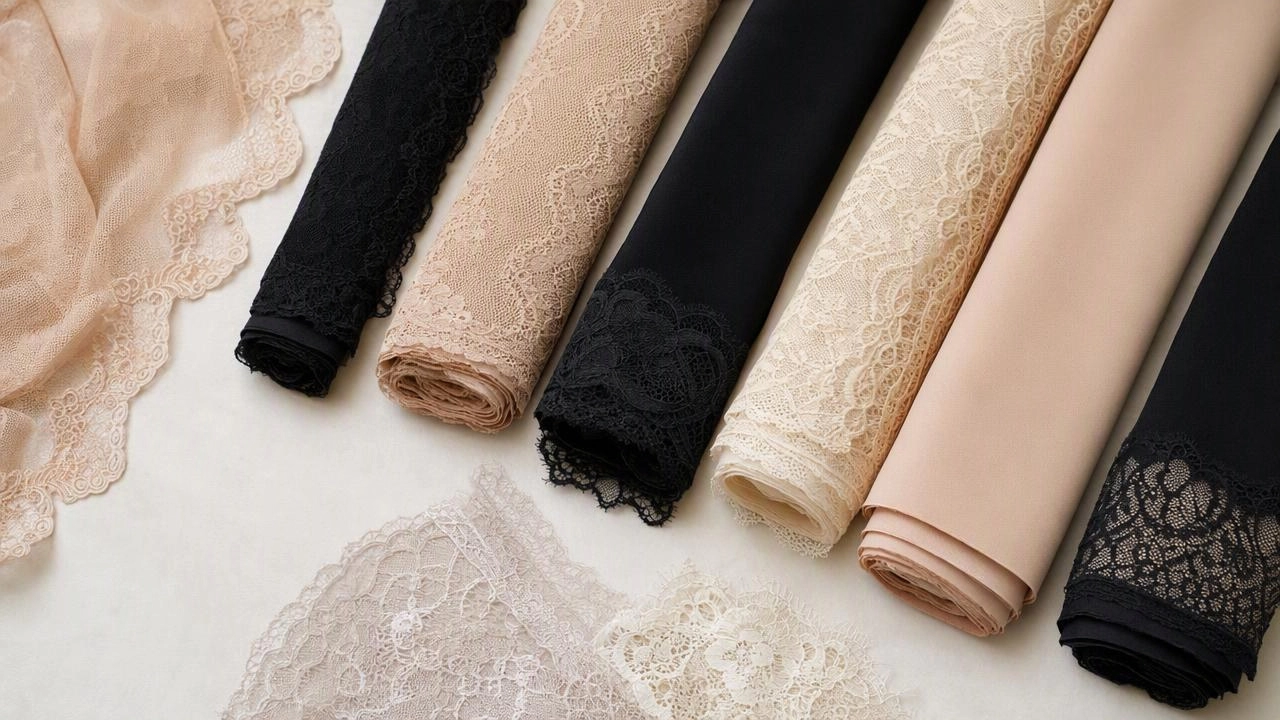
Wireless constructions are increasingly used in fashion-forward styles, including bandeaus, strapless designs and decorative lace pieces. The category is no longer confined to plain basics.
What This Means for Buyers
Comfort is now a baseline, not a differentiator
Because comfort is expected, a wireless bra that merely avoids wires is no longer distinctive. Differentiation now comes from fit quality, material feel and design.
Support engineering is the new competition
The brands that win in this category are the ones that deliver visible support without a wire. That advantage comes from material and construction choices rather than marketing.
Size range matters more
As inclusivity becomes an expectation, offering a narrow size range limits the addressable market. Brands that extend their range credibly gain access to additional segments.
Quality consistency protects the promise
Comfort claims are validated by wear, so consistency matters more in this category than in many others. A wireless bra that loses recovery after a few washes undermines the brand's comfort positioning.
Implications for Sourcing Strategy
- Specify support level explicitly: the structural plan follows from the support target.
- Invest in material quality: recovery and hand feel determine whether the comfort promise holds.
- Plan the size curve early: inclusivity requires grading decisions before pattern work, not after.
- Test wash durability: bonded, seamless and molded products must be verified over repeated cycles.
- Balance range breadth against depth: a focused range that fits well outperforms a broad one that does not.
- Consider construction economics: bonded and one-piece programs have different minimum quantity profiles.
Risks and Counter-Trends
No trend moves in only one direction, and buyers should be aware of the counter-forces.
Structured styles remain relevant
Wireless growth does not eliminate demand for structured, wired or corset-style products. Occasion wear, fashion lingerie and some fuller-bust segments still favor structured construction, and those categories retain their own margins.
Comfort fatigue
As wireless becomes universal, comfort alone stops being a reason to choose a brand. Brands will need additional differentiation, whether in design, sustainability, fit or service.
Quality risk at low price points
Aggressive price pressure in value wireless ranges can lead to weaker materials and poorer recovery, which produces returns and damages the category's reputation. Buyers should protect material specifications even when targeting low price points.
Material supply pressure
Demand for the specialized materials used in bonded and seamless construction can affect availability and lead times. Buyers with long development timelines should confirm material availability early.
Frequently Asked Questions
Is the wireless trend temporary?
The shift toward wireless appears structural rather than cyclical, because it is driven by comfort expectations, material capability and broader size inclusivity. Structured styles remain relevant, but wireless is now a core part of most ranges rather than an alternative.
Can wireless bras support a fuller bust as well as wired?
With the right engineering, a wireless bra can provide strong support for a fuller bust. The requirement is firm material, a stable underband and correct grading. Wired styles still have advantages in some structured applications, but the gap has narrowed considerably.
Which wireless construction is growing fastest?
Seamless and bonded constructions dominate everyday growth, while one-piece knitted styles are expanding strongly in comfort and loungewear. The fastest growth in unit volume is typically in seamless, wire-free basics.
What materials support the wireless trend?
Firm elastics, laminated and bonded constructions, viscose and nylon blends, and spacer or molded foams. Each contributes to support and comfort without a wire.
How should a brand respond to the trend?
By treating comfort as a baseline requirement and competing on fit quality, genuine support engineering and design. Brands that invest in material quality and size range will be better positioned than those relying on a comfort claim alone.
Regional Differences in Wireless Demand
The wireless trend is global, but its drivers and product preferences vary by market. Buyers sourcing for multiple regions should account for these differences rather than assuming a single specification serves everyone.
North America and Europe
Comfort, inclusivity and seamless aesthetics are the dominant drivers. Plus-size coverage is a strong expectation, and multi-pack basics perform well alongside premium fashion pieces.
Asia-Pacific
Demand skews toward light support, smoothness and cute or decorative detailing. Multi-pack value basics are popular, and fabric breathability is a meaningful purchase factor in warmer climates.
Hot and humid markets
Breathability, quick-drying materials and lighter constructions take priority over maximum support. Spacer fabrics and fine-gauge knits perform well.
Middle East and other modest-fashion markets
Coverage and comfort are important, and product design often needs to consider layering and coverage expectations alongside support.
The practical implication is that support level, coverage and breathability specifications should be set per market rather than applied uniformly across a global range.
Sustainability and Material Choice in Wireless Programs
Sustainability expectations are increasingly part of the wireless category, particularly in comfort-focused ranges where the customer is already thinking about long-wear quality.
- Recycled fibers: recycled nylon and polyester are increasingly available and can suit comfort ranges.
- Durability as sustainability: a bra that retains recovery and shape for longer is inherently less wasteful, which makes quality a sustainability argument.
- Care guidance: gentle washing and air drying extend product life and reduce environmental impact.
- Packaging: recycled and recyclable packaging increasingly matters to customers in this segment.
- Traceability: documenting material sources supports credible claims, which is important because unverified claims carry reputational risk.
For buyers, the most defensible position is to build durability into the specification and communicate only what can be verified through traceable documentation.
Planning a Relevant Wireless Range
The wireless category rewards buyers who plan for function and verify it through testing. A range that covers everyday, comfort and plus-size needs with consistent fit quality will generally outperform one that adds wireless styles without the material and construction investment the category requires.
Looking ahead, the most likely development is convergence: wireless support, seamless construction and inclusive sizing arriving together in mainstream products rather than as separate features. Buyers who begin planning programs around that combined expectation, rather than treating each element as a separate trend, will be best positioned as the category continues to mature.
Plan Your Next Lingerie Collection
Share your product brief with our development team.